Teds Woodworking Review: Is This 16,000-Plan Woodworking Library Actually Worth It?

This Teds Woodworking review is going to be different from what you've probably read elsewhere.
I've been around long enough to know that most woodworking projects don't fail because people lack skill.
They fail because of bad plans.
Incomplete instructions. Missing measurements. Vague diagrams that assume you already know what you're doing.
That's the frustration that led me to look into this woodworking plans library.
Not because I believed some marketing hype about instant mastery or magical results. But because after spending years building things, I know what actually matters when you're standing in your workshop with raw wood and limited time.
I'm not here to sell you a dream. I'm here to tell you what this product actually is, who it helps, and where it falls short.
Because if you're going to spend money on something, you deserve to know the truth.
The Problem Most Woodworking Plans Don't Solve
Let me start with a story.
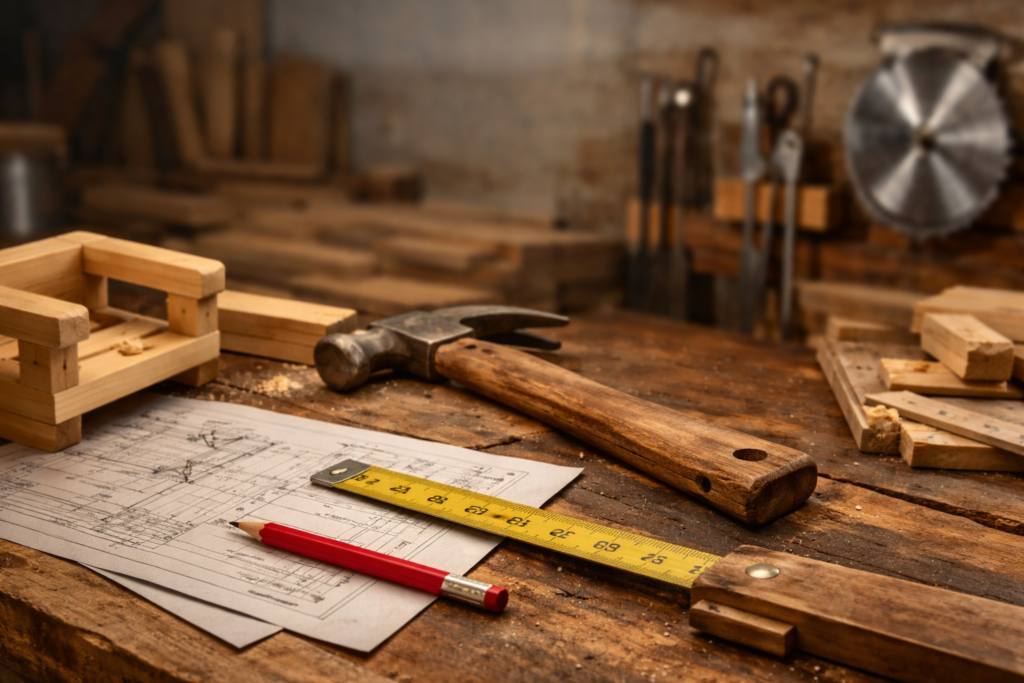
A few years back, I decided to build a storage bench for my garage. Simple project. Or so I thought.
I found a plan online. Free. Looked good in the pictures.
Then I started reading the instructions.
Step one was clear. Step two made sense. But by step five, I was guessing. The diagram showed an angle that didn't match the written description. The materials list was incomplete. And there was no cutting guide.
I ended up wasting an entire afternoon and about $40 worth of wood before I gave up.
That's the real problem with most woodworking plans out there.
They're written by people who already know how to build things. They skip steps. They assume you understand joinery. They show you a finished photo and expect you to figure out the middle part.
And if you're a beginner or even an intermediate hobbyist, that gap is where your project dies.
This is exactly what Ted McGrath's woodworking system was designed to fix.
What Is Teds Woodworking Actually?
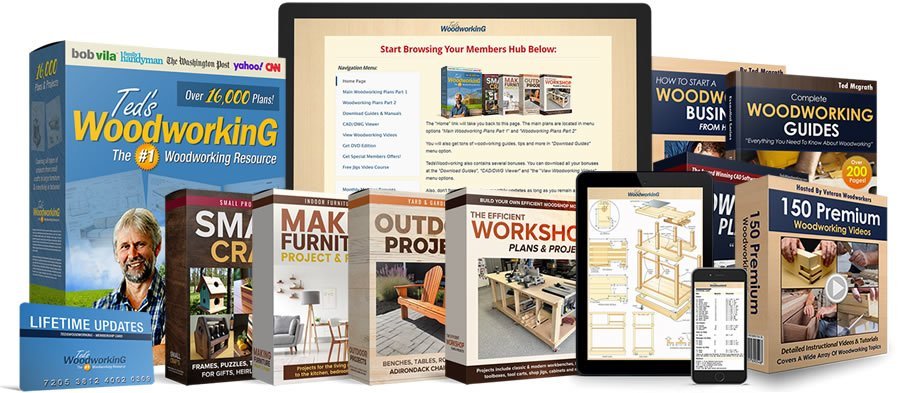
Teds Woodworking is a digital library of over 16,000 woodworking plans created by Ted McGrath, a professional woodworker and trainer.
The core idea is simple.
Instead of hunting for plans across random websites, old magazines, and incomplete PDFs, you get access to one organized collection where every plan includes:
- Step-by-step instructions
- Detailed diagrams with measurements
- Materials lists
- Cutting lists
- Tool requirements
The Teds Woodworking plans cover everything from simple projects like birdhouses to complex builds like sheds, cabinets, and furniture.
But here's what matters more than the number.
These plans are written for real people. Not experts. Not professional carpenters. Real people who want to build something without spending hours trying to decode what the instructions actually mean.
Who Created This and Why That Matters
Ted McGrath is not some internet marketer who threw together a random collection of plans.
He's a certified master woodworker who spent over 25 years figuring out why most woodworking plans fail beginners.
His background shows up in how the plans are structured.
Instead of artistic sketches that look nice but don't help you actually build anything, the focus is on clarity. On making sure you know exactly what to cut, how to assemble it, and in what order.
That distinction matters. Because when you're standing in your workshop with a piece of wood in your hand, you don't need inspiration. You need a clear instruction that tells you what to do next.
What You Actually Get Inside the Plans Library
Let me break down what's included, because most reviews skip over the details.
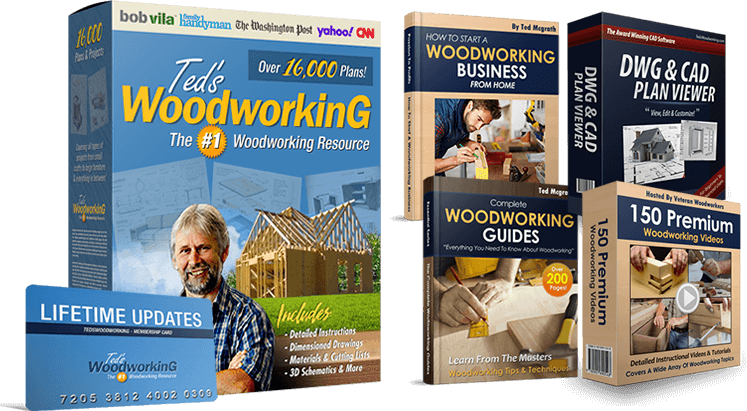
16,000+ woodworking plans
Each plan typically includes clear diagrams with dimensions marked, step-by-step written instructions, a complete materials list, a cutting list so you know exactly what to cut, tool requirements, and multiple views showing different angles.
The plans are organized by category: furniture (chairs, tables, beds, cabinets), storage solutions, outdoor projects (sheds, decks, garden structures), workbenches and shop projects, home improvement builds, and small crafts and utility items.
Plans for different skill levels
One thing that stood out to me is that these aren't just plans for advanced woodworkers. You'll find projects suitable for complete beginners with basic hand tools, hobbyists with small home workshops, and experienced builders tackling custom work.
Many of the plans are written in what I'd call a "hold-you-by-the-hand" style. Which might sound condescending, but it's actually what most people need when they're starting out.
Organized members area
With 16,000 plans, organization is critical. Inside the members area, plans are categorized by project type, there's a search function to find specific builds, you can download individual plans or entire categories, and everything is accessible instantly once you're logged in.
Is the organization perfect? No. With that much content, you're going to spend some time figuring out where things are. But it's far better than digging through stacks of magazines or bookmarked web pages.
Bonus resources
Depending on when you access the product, you also get additional woodworking guides, technique explanations, video content for select projects, and lifetime access with no recurring fees. These extras are designed to support your learning, not replace actual practice.
What It's Like to Actually Use the Plans
This is where theory meets reality.
I came across several stories from people who used these plans for real projects.
One person built bunk beds for their kids. Another created custom furniture. Someone else tackled outdoor storage projects.
The common thread in all these stories wasn't that the projects were easy. It was that the instructions were clear.
Instead of guessing, you know exactly how much material to buy, you know the dimensions before you make a single cut, you know the order of assembly, and you can see what the finished project should look like from multiple angles.
That clarity saves time. It saves money. And most importantly, it saves you from that frustrating moment when you realize you've built something wrong and have to start over.
What Makes These Plans Stand Out, and Where They Fall Short
Let me be honest about the strengths and the weaknesses.
Strengths
- Clear, step-by-step instructions. No skipped steps, no assumptions that you already know advanced techniques.
- Detailed diagrams and measurements. You're not left guessing about angles, joints, or spacing.
- Accurate material and cutting lists. Knowing exactly what materials you need before you start means you don't overbuy or waste wood on incorrect cuts.
- Huge variety of projects. With 16,000 plans, you're unlikely to run out of ideas.
- Suitable for small workshops. You don't need industrial tools or a massive workspace to use most of these plans.
Weaknesses
- The size can feel overwhelming. For some people, having that much choice actually makes it harder to get started.
- Downloads can take time. Because of the file sizes, downloading everything at once isn't practical on a slower connection. A DVD option exists but then you're waiting on shipping instead.
- Some plans are more basic than others. Not every plan is a masterpiece. If you want artistic, design-heavy projects, you might be disappointed.
These aren't deal-breakers. But they're worth knowing before you buy.
Who Should Consider This
This woodworking plans library makes the most sense if you enjoy woodworking as a hobby or side activity, want reliable plans instead of trial and error, prefer structure over improvisation, build furniture, storage, or outdoor projects regularly, and want a long-term reference library, not just one project.
It's especially useful for beginners and intermediate woodworkers who are still building their skills and confidence.
You may want to look elsewhere if you already design everything from scratch professionally, only need one very specific custom plan, expect artistic, design-heavy blueprints, or prefer to figure things out through experimentation. If you're an advanced woodworker who enjoys the challenge of creating your own designs, you probably don't need this.
The Cost and Value Question
Here's something most reviews don't address honestly.
Buying individual woodworking plans can get expensive quickly. A single detailed plan for a complex project can cost anywhere from $10 to $50. Books and magazines add up over time.
The value in this woodworking plans library comes from having access to thousands of plans for a one-time price.
But here's the catch. That value only matters if you actually use the plans. If you buy it, download a couple of projects, and never look at it again, it's not a good investment.
But if you build regularly and use it as a go-to reference library over months or years, the cost per project becomes negligible.
My Honest Assessment
If I strip away all the marketing language and hype, here's what this product actually is: a large, practical reference library designed to remove guesswork and help real people finish real projects.
It doesn't promise instant mastery. It doesn't replace skill or practice. What it does provide is clarity. And in woodworking, clarity is what separates finished projects from abandoned ones.
The instructions are clear. The diagrams are detailed. The materials lists are accurate. That's what matters when you're standing in your workshop trying to figure out what to do next.
This system won't turn you into a master craftsman overnight. It won't build projects for you. And it won't replace the need to learn and practice. But it will give you a reliable system for building things without wasting time, money, and materials on incomplete plans.
The Ted McGrath woodworking collection stands out because of its focus on clarity over complexity. The plans don't try to be artistic. They try to be useful. And that, more than anything else, is what separates good plans from frustrating ones.
If you enjoy building things with your hands and want a structured plan system you can rely on again and again, this is the library to get. Not because it's perfect, but because it solves the real problem most people face when they try to build something: not knowing where to start or what to do next.
The Teds Woodworking plans give you that starting point. They give you measurements, materials, and a clear path forward. What you do with that information is up to you. But at least you won't be guessing, wasting materials, or staring at an incomplete project wondering what went wrong.
Just remember: the plans are only as good as the effort you put into using them. No shortcuts. No magic. Just clear instructions and your willingness to build.